





TLDR
- The European Central Bank raised its key deposit rate to 2.5% from 2.25% on Thursday
- The hike is the ECB’s second rate increase since the war in Iran began in late February
- Euro zone inflation hit a three-year high of 3.3% in August, driven by rising oil and gas prices
- Markets are now betting the U.S. Federal Reserve will also raise rates at its meeting next week
- Global oil prices climbed back above $100 a barrel this week for the first time since July
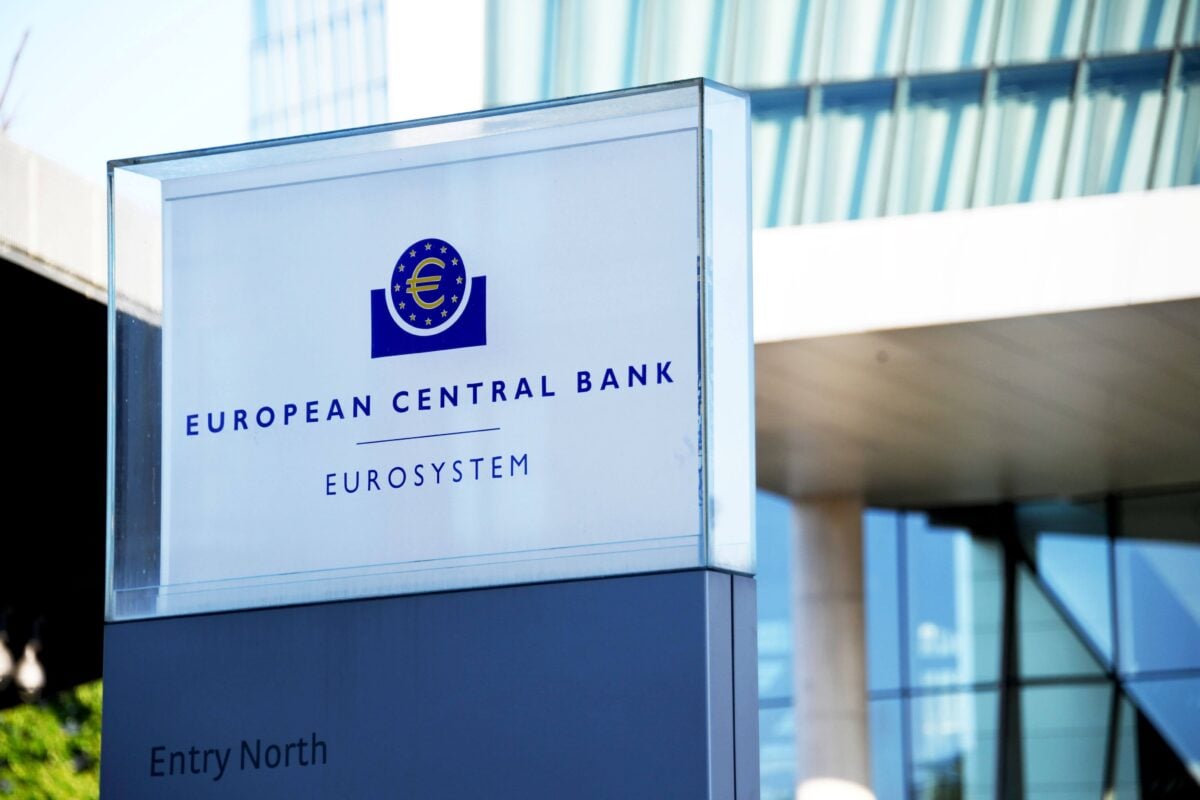
The European Central Bank raised interest rates on Thursday for the second time since the war in Iran began, as rising energy prices push inflation higher across the euro zone.
BREAKING: The European Central Bank officially hikes rates by 25 basis points, marking its second rate hike this year as rising oil prices drive up inflation.
Markets also now see a 90% chance of a third interest rate hike by the ECB this year.
— The Kobeissi Letter (@KobeissiLetter) September 10, 2026
The ECB lifted its key deposit rate to 2.5% from 2.25%. The move was widely expected by markets.
Euro zone inflation climbed to 3.3% in August, its highest level in nearly three years. The ECB said in a statement that inflation “is set to remain well above target for an extended period.”
Global oil prices crossed back above $100 a barrel this week for the first time since July. Natural gas prices in Europe have also jumped to their highest level since 2023.
The conflict in the Middle East is the main driver of the renewed price pressures. Fighting in Iran has kept energy markets on edge since late February.
What This Means for Other Central Banks
The ECB’s move has put pressure on other central banks to follow. A majority of investors now expect the U.S. Federal Reserve to raise rates when it meets next week, according to CME Group data.

The Bank of England is expected to raise rates in November.
The Federal Reserve, under Chairman Kevin Warsh, has given little guidance on its next steps. Warsh has favored shorter policy statements and has moved away from forward guidance since taking over this summer.
In that information gap, some investors are reading the ECB’s hike as a signal that the Fed will act too.
The ECB had more room to raise rates than the Fed or the Bank of England. Its rates were well below neutral levels when the Iran war started, giving it more space to tighten without hurting growth.
Growth Is Holding Up for Now
The euro zone economy expanded 0.6% in the second quarter. The ECB raised its growth forecasts for this year and 2027, pointing to unexpected economic resilience.
Bank lending has also stayed strong in recent months, suggesting the rate increases have not yet slowed the economy, according to Goldman Sachs.
There is little sign so far of second-round inflation effects, such as workers demanding higher wages. That is a key factor that would make inflation harder to bring down.
ECB board member Isabel Schnabel warned in August that second-round effects become more likely the longer the conflict continues.
Markets are pricing in another ECB rate hike in December, though many investors believe the bar for further increases is getting higher.
The euro fell 0.2% against the U.S. dollar on Thursday. Europe’s Stoxx 600 index dropped 0.3%.
The ECB had previously forecast inflation would return to its 2% target by 2028, but renewed energy price pressures may push that timeline out.
Stop guessing and start investing with confidence. KnockoutStocks gives you the AI insights, market intelligence, and stock research you need to spot opportunities, cut through the noise, and make smarter investment decisions — all in one powerful platform.
Sign up today and get 50% OFF full access to our premium stock picks.
Simply use coupon code SPECIAL50 at checkout to claim your exclusive discount.
Get 3 Free Stock Ebooks
Discover top-performing stocks in AI, Crypto, and Technology with expert analysis.
- Top 10 AI Stocks - Leading AI companies
- Top 10 Crypto Stocks - Blockchain leaders
- Top 10 Tech Stocks - Tech giants



