





TLDR
- Michael Burry called Nvidia’s $500B AI financing push a “Wall Street stunt” comparing it to pre-2008 risks
- Nvidia signed deals with Apollo, BlackRock, Blackstone, Brookfield, Goldman Sachs, and KKR to create compute financing platforms
- Nvidia takes 25% stakes and provides residual value guarantees on chip purchases
- Goldman Sachs Research estimates AI-related debt issuance has hit nearly $500 billion in 2026
- Market strategist Ed Yardeni also flagged hype, warning investors to be “pretty selective”
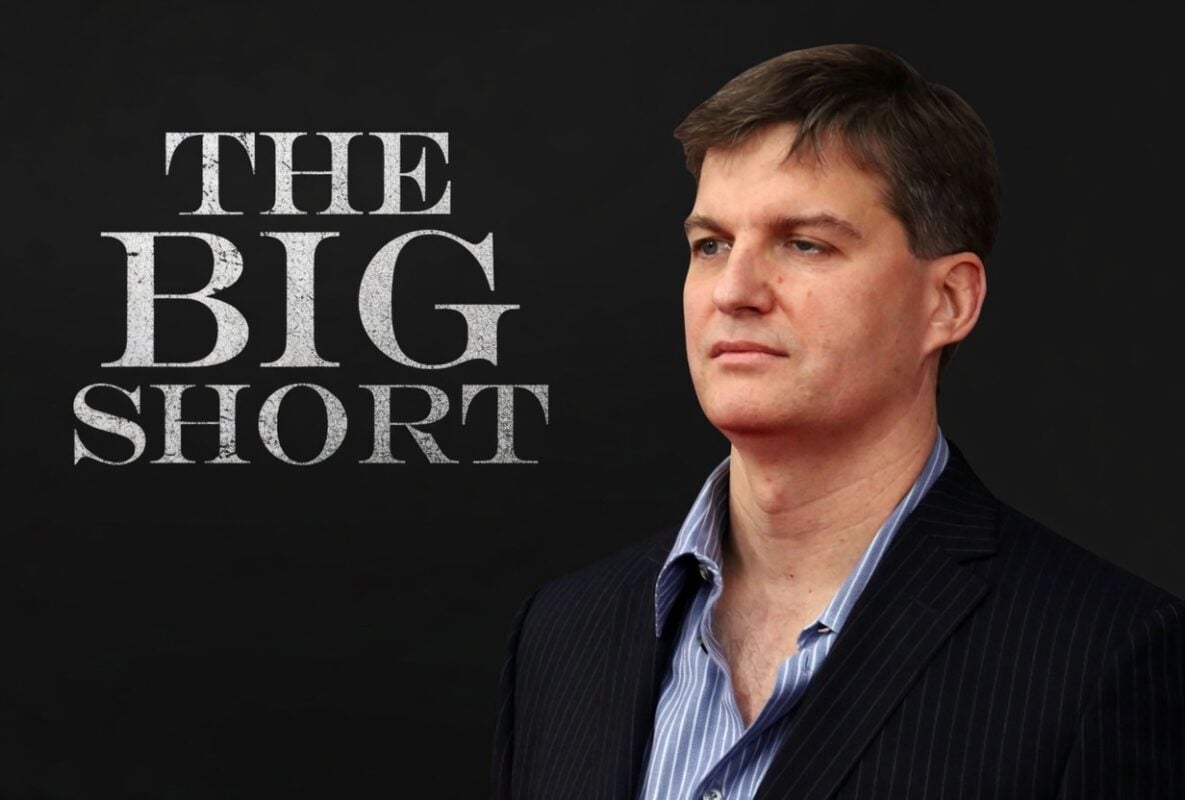
Michael Burry, the investor famous for predicting the 2008 financial crisis, has publicly attacked Nvidia’s plan to unlock over $500 billion in AI infrastructure financing.
Burry posted on X calling the arrangement a “Wall Street stunt,” drawing comparisons to the complex financial structures that led to the 2008 crash.
Nvidia recently signed memorandums of understanding with six major asset managers: Apollo Global Management, BlackRock, Blackstone, Brookfield Asset Management, Goldman Sachs, and KKR.
The goal is to help companies finance data centers through institutional credit rather than their own balance sheets.
Nvidia CEO Jensen Huang described the effort as the “first time that technology chips have become an investable asset class,” comparing chips to productive infrastructure.
How the Deal Actually Works
Under the structure, Nvidia takes 25% stakes in projects and provides what it calls a “residual value mechanism,” meaning if a venture fails, Nvidia steps in to sell chips or find new lessees.

Burry laid out what he sees as a circular and highly leveraged pipeline beneath the deals.
His infographic showed retirement annuity premiums flowing through offshore reinsurers, being leveraged into asset-backed debt, and ultimately funding GPU purchases for clients like Elon Musk’s xAI.
One example he cited involved a special purpose vehicle purchasing $5.4 billion in Nvidia GB200 GPUs to lease to xAI for its Grok supercomputer cluster.
Burry warned followers: “Meet the new Boss. Same as the old Boss,” suggesting little has changed since the pre-crisis era of opaque financial engineering.
Wider Concerns About AI Debt
Burry is not alone in his skepticism. Market strategist Ed Yardeni described the market reaction to the non-binding agreements as “kind of ho hum” and warned of “a little bit of hype.”
Goldman Sachs Research estimates AI-related debt issuance reached nearly $500 billion in 2026, with credit desks flagging investor “indigestion” over rising debt duration and issuer concentration.
The Bank for International Settlements separately warned that Business Development Companies have lent $115 billion to software firms, making up over 80% of their technology portfolios.
The BIS flagged that generative AI disruption could hurt revenue at those software borrowers, creating unpriced risks across private credit markets.
Nvidia shares have risen 16.62% year-to-date and closed at $217.50 on Tuesday. The stock was up around 1.17% in premarket trading on Wednesday, suggesting markets are largely shrugging off Burry’s warning for now.
Burry recently added to his short position against Nvidia through put options, signaling he is putting real money behind his skepticism.
Stop guessing and start investing with confidence. KnockoutStocks gives you the AI insights, market intelligence, and stock research you need to spot opportunities, cut through the noise, and make smarter investment decisions — all in one powerful platform.
Sign up today and get 50% OFF full access to our premium stock picks.
Simply use coupon code SPECIAL50 at checkout to claim your exclusive discount.
Get 3 Free Stock Ebooks
Discover top-performing stocks in AI, Crypto, and Technology with expert analysis.
- Top 10 AI Stocks - Leading AI companies
- Top 10 Crypto Stocks - Blockchain leaders
- Top 10 Tech Stocks - Tech giants



