





TLDR
- Iran declared the Strait of Hormuz closed to all vessel traffic after fresh U.S. strikes
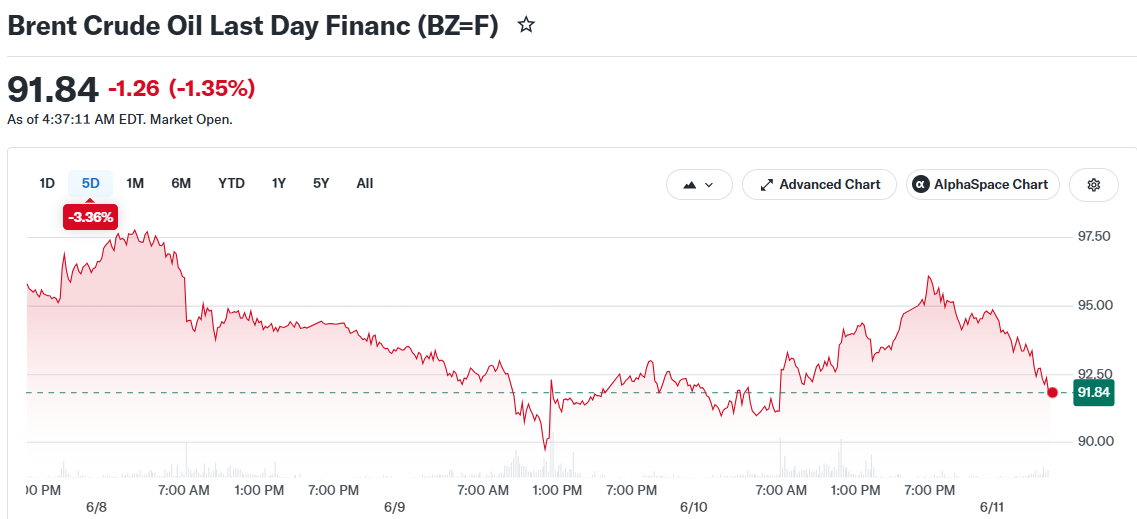
- Brent crude is trading near $93-$94 a barrel, WTI around $89-$91
- U.S. crude stockpiles fell 7.2 million barrels last week, far more than expected
- Rystad Energy warns oil could hit $150 a barrel if full hostilities resume
- Chances of a near-term U.S.-Iran deal have dropped from around 40% to uncertain
U.S. and Iran exchanged military strikes this week, pushing oil prices higher and raising fears about energy supplies from the Middle East.
Iran declared the Strait of Hormuz closed to all traffic, including oil tankers and commercial vessels. Tehran warned that any ship attempting to transit the waterway would be targeted.
The Strait of Hormuz is one of the world’s most critical energy chokepoints. A large share of global seaborne crude exports passes through it each day.
Brent crude was trading near $93 to $94 a barrel. West Texas Intermediate was around $89 to $91 a barrel. Both contracts had risen more than 2% in early Asian trading before pulling back slightly.
President Trump said on Wednesday that the U.S. would attack Iran “very hard” if negotiations failed. U.S. forces then carried out another round of strikes on Iranian targets overnight.
Iran said it launched counterattacks on U.S. military bases in Kuwait and Bahrain. The earlier round of U.S. strikes came after Iran shot down a U.S. Army Apache helicopter near the Strait of Hormuz.
The UNITED STATES of AMERICA CONTROLS the Strait of Hormuz — NOT Iran. pic.twitter.com/DbPPYKy5Ef
— The White House (@WhiteHouse) June 10, 2026

Trump also revealed that the U.S. military had been secretly escorting oil shipments through the strait. He said more than 100 million barrels had moved through the waterway under U.S. protection.
Deal Hopes Fade as Tensions Escalate
Rystad Energy analyst Jorge Leon said it is too early to know if the current escalation is a full resumption of hostilities or a dangerous but contained episode.
Leon said the probability of a near-term deal has fallen from around 40% a few weeks ago to something far less certain. He said the next few days would be critical.
Commonwealth Bank analyst John Oh said Iran’s response in the 12 hours following U.S. attacks would be closely watched. He said any retaliation would challenge market expectations that a deal was close.
ING analysts said in a note that energy flows from the Persian Gulf would remain heavily constrained. They added that a deal still appears some way off.
Oil Supply Already Tightening
U.S. Energy Information Administration data showed crude stockpiles fell by 7.2 million barrels in the week ended June 5. Analysts had expected a draw of around 3 million barrels.
Gasoline stockpiles rose slightly. Distillate inventories, which include diesel and heating oil, fell by 0.2 million barrels.
Rystad’s Leon warned that if the U.S. and Iran fully resume hostilities, oil prices could spike to $150 a barrel. He said price volatility is likely to stay high until there is clearer evidence that a ceasefire can hold.
U.S. consumer inflation hit 4.2% in May, raising concerns that higher energy costs could keep interest rates elevated for longer. Markets were watching U.S. producer price data and weekly jobless claims for further clues on Federal Reserve policy.
Stop guessing and start investing with confidence. KnockoutStocks gives you the AI insights, market intelligence, and stock research you need to spot opportunities, cut through the noise, and make smarter investment decisions — all in one powerful platform.
Sign up today and get 50% OFF full access to our premium stock picks.
Simply use coupon code SPECIAL50 at checkout to claim your exclusive discount.
Get 3 Free Stock Ebooks
Discover top-performing stocks in AI, Crypto, and Technology with expert analysis.
- Top 10 AI Stocks - Leading AI companies
- Top 10 Crypto Stocks - Blockchain leaders
- Top 10 Tech Stocks - Tech giants



