





TLDR
- Ray Dalio predicts global disorder and the end of the post-WWII world order.
- The U.S.-China conflict, especially over Taiwan, is a key area of concern.
- Cryptocurrencies may become more appealing as global financial tensions rise.
- Traditional assets, like gold, may continue to attract investment during crises.
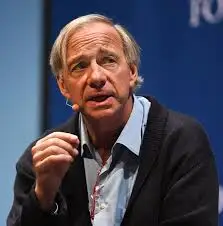
Billionaire investor and Bridgewater Associates founder Ray Dalio has warned that the post-World War II global order is collapsing. He argues that we are now entering a phase he refers to as “Stage 6” of his “Big Cycle,” a concept he uses to explain the rise and fall of dominant empires. This shift in global dynamics has led many to reassess the potential impact of geopolitical instability on markets, particularly cryptocurrencies.
WARNING: Ray Dalio says "The monetary system is ending."
Banks aren't buying Gold & Silver for profit. They're buying to escape the Dollar.
Bitcoin is next 🚀 pic.twitter.com/2MXDVARiOL
— Crypto Rover (@cryptorover) January 28, 2026
Dalio’s observations are part of a long-standing thesis about the cyclical nature of global power. He contends that as dominant countries weaken and emerging powers rise, tensions typically increase. This period of disorder is marked by a lack of rules in international relations, where power dynamics, rather than laws or neutral arbitration, ultimately govern interactions.
Dalio’s View on Global Disorder and Rising Tensions
According to Dalio, the world is in “Stage 6” of the Big Cycle, a period when the international system is marked by increasing disorder. He notes that conflicts in such times often begin economically and escalate into broader struggles.
The five primary forms of conflict he identifies are trade/economic wars, technology wars, capital wars (sanctions and financial restrictions), geopolitical wars over alliances and territories, and, ultimately, military wars. Dalio draws parallels to the 1930s, when economic crises and protectionist policies laid the groundwork for World War II.
In this historical context, nations turned to tariffs, asset freezes, and financial restrictions before the outbreak of full-scale conflict. He highlights the U.S.-China rivalry, particularly over Taiwan, as a potential flashpoint in the current cycle. While Dalio does not directly predict military conflict, he argues that the structural conditions for a major power transition are already in place, which could lead to global instability.
Impact on Cryptocurrencies in an Unstable Global Landscape
Dalio’s warning about rising global tensions raises critical questions about how digital assets like Bitcoin could perform. In times of geopolitical instability, cryptocurrencies are often seen as an alternative to traditional financial systems. Bitcoin, known for its resistance to censorship and capital controls, could become an increasingly attractive option as the world faces financial fragmentation.

However, cryptocurrencies remain vulnerable to broader market conditions, including global liquidity. Geopolitical stress and tighter financial conditions could lead to heightened volatility in crypto markets. Analyst Ted Pillows notes that cryptocurrencies could experience severe price swings as investor sentiment fluctuates.
Despite Bitcoin’s “digital gold” narrative, many investors continue to flock to traditional safe-haven assets like gold during times of uncertainty. Gold has historically benefited in such periods, as it is considered a stable store of value. In contrast, cryptocurrencies have struggled to recover after recent market downturns.
Global Tensions and the Continued Appeal of Traditional Assets
As Dalio points out, heightened geopolitical tensions are likely to drive capital flows toward more established defensive assets, such as gold. While cryptocurrencies may continue to gain traction in the long term due to their decentralized nature, the short-term outlook remains challenging.
The divergence in performance between cryptocurrencies and precious metals during recent market fluctuations underscores the ongoing dominance of traditional assets as safe havens during times of crisis.
If tensions continue to rise, investors may continue to prioritize gold over more volatile alternatives like cryptocurrencies. However, the long-term appeal of digital assets may be strengthened by the ongoing erosion of trust in traditional financial systems, especially if global conflicts disrupt established financial structures.
Stop guessing and start investing with confidence. KnockoutStocks gives you the AI insights, market intelligence, and stock research you need to spot opportunities, cut through the noise, and make smarter investment decisions — all in one powerful platform.
Sign up today and get 50% OFF full access to our premium stock picks.
Simply use coupon code SPECIAL50 at checkout to claim your exclusive discount.
Get 3 Free Stock Ebooks
Discover top-performing stocks in AI, Crypto, and Technology with expert analysis.
- Top 10 AI Stocks - Leading AI companies
- Top 10 Crypto Stocks - Blockchain leaders
- Top 10 Tech Stocks - Tech giants



