





TLDR
- The ECB is expected to raise its key deposit rate by 25 basis points to 2.25% on Thursday
- Euro zone headline inflation hit 3.2% in April, with energy prices up 10.9% year-on-year
- Core inflation also rose to 2.5%, raising fears of second-round inflation effects
- The U.S.-Iran conflict is choking global LNG flows, keeping European gas prices elevated
- EU gas storage is at 42.79% full, well below last year’s 51.4% at the same date
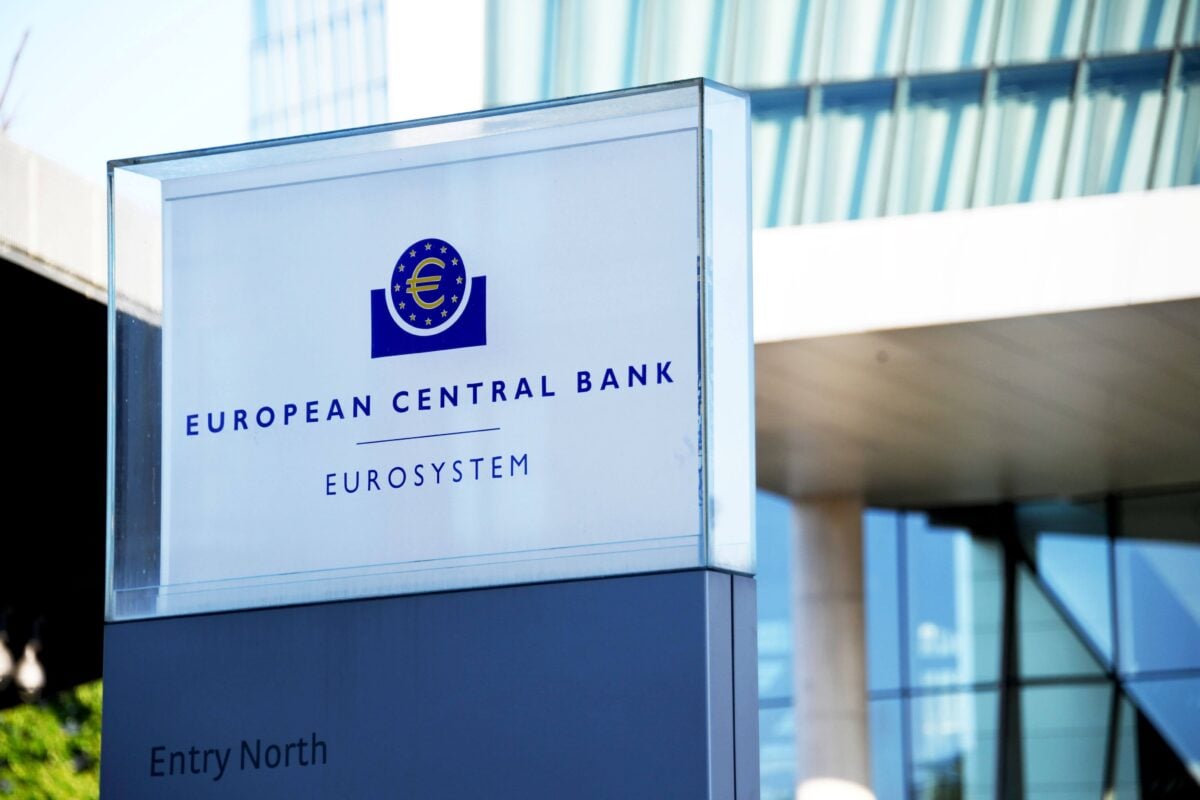
The European Central Bank is expected to raise interest rates on Thursday. The bank’s Governing Council is set to hike its key deposit rate by 25 basis points, bringing it to 2.25%.
The move comes as inflation across the euro zone continues to run above target. Headline inflation rose to 3.2% in April, driven largely by a 10.9% year-on-year jump in energy prices.
The ECB has a single mandate: keep inflation close to 2%. Unlike the U.S. Federal Reserve, it does not balance that against employment goals.
Core inflation, which strips out energy and food, also climbed to 2.5% in April. This was driven mainly by higher services costs.
Policymakers are watching core inflation closely. A rise here can signal that higher energy costs are feeding through to broader prices — what economists call second-round effects.
Goldman Sachs chief European economist Sven Jari Stehn said the bank expects ECB staff to lower growth forecasts for 2026 and 2027, while raising both headline and core inflation projections. He cited a more persistent energy shock and stronger indirect effects on prices.
Société Générale senior economist Anatoli Annenkov said the core inflation forecast for 2027 would be especially telling. He said it would show how confident ECB staff are that second-round effects are coming.

Deutsche Bank’s Mark Wall said the ECB is unlikely to signal that June’s hike is a one-off. Markets are currently pricing in three rate hikes for the rest of 2026.
Energy Markets Remain Tight
European natural gas prices edged higher on Wednesday. The benchmark Dutch TTF contract was up 0.2% at 48.83 euros per megawatt hour. British natural gas futures also rose 0.2%.
The gains came after the U.S. launched fresh strikes on Iran. President Donald Trump said Iran had downed a U.S. helicopter in the Strait of Hormuz. The escalation happened just one day after Iran and Israel had signaled a pause in hostilities.
The ongoing U.S.-Iran conflict is disrupting global LNG flows. European markets remain under pressure as a result.
Supply is also tightening from the north. Maintenance at Norway’s Troll gas field and the Kollsnes processing plant will reduce Norwegian gas flows, according to Reuters.
EU gas storage levels are adding to the concern. Storage sites were 42.79% full as of the latest data, compared to 51.4% at the same point last year.
The euro zone imports most of its energy, making it especially exposed to these supply disruptions. Prices have come down from their March peaks but remain well above normal levels.
The ECB rate decision on Thursday will be closely watched for any signals on how many more hikes are likely before the end of the year.
Stop guessing and start investing with confidence. KnockoutStocks gives you the AI insights, market intelligence, and stock research you need to spot opportunities, cut through the noise, and make smarter investment decisions — all in one powerful platform.
Sign up today and get 50% OFF full access to our premium stock picks.
Simply use coupon code SPECIAL50 at checkout to claim your exclusive discount.
Get 3 Free Stock Ebooks
Discover top-performing stocks in AI, Crypto, and Technology with expert analysis.
- Top 10 AI Stocks - Leading AI companies
- Top 10 Crypto Stocks - Blockchain leaders
- Top 10 Tech Stocks - Tech giants



