





TLDR
- OKX has launched OKX Money, a stablecoin savings and payments app, in parts of Latin America, Africa, South Asia and the Middle East.
- The app converts more than 50 local currencies into dollar-backed stablecoins, including USDG, USDC and USDT.
- Qualifying users can earn up to 10% annual yield on eligible USDG balances with no staking or lockup required.
- OKX has not disclosed how the yield is funded or which markets will get the app first.
- The launch follows OKX’s March funding round that valued the exchange at $25 billion.
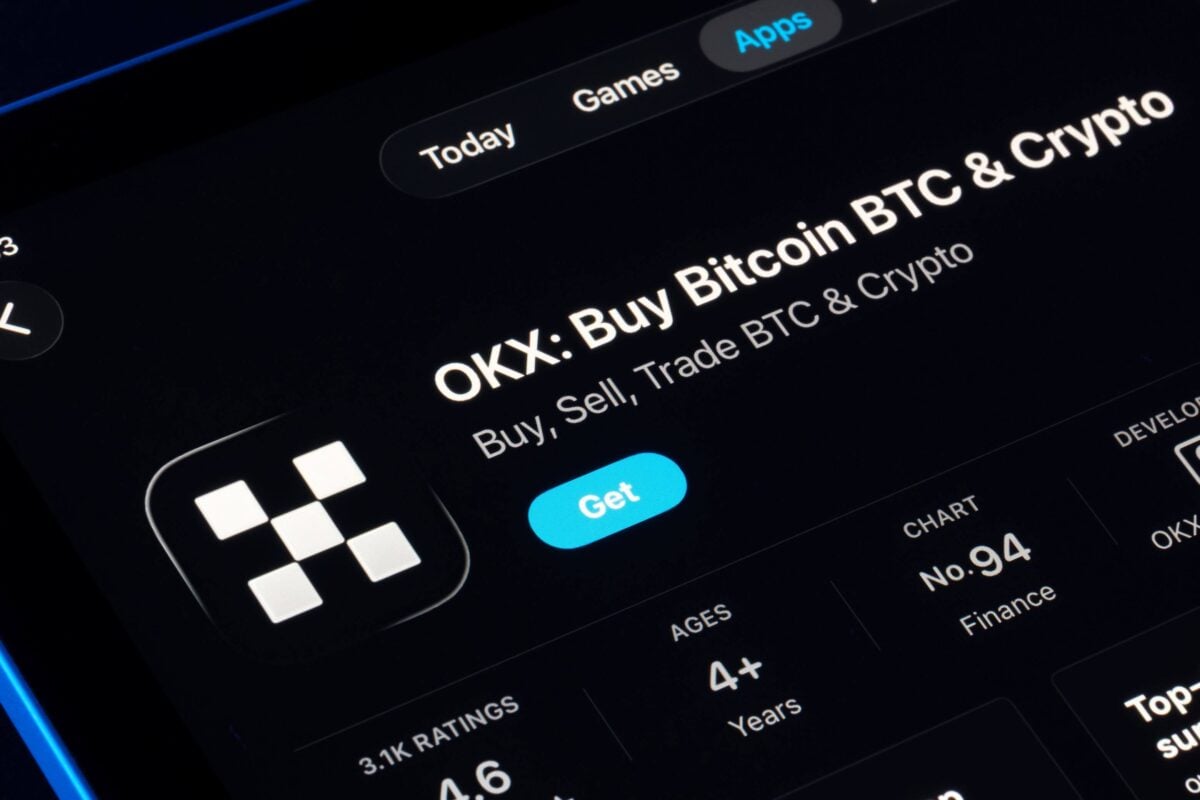
OKX has launched a new app called OKX Money. It lets people in emerging markets hold, send and spend dollar-backed stablecoins. The app is rolling out in parts of Latin America, Africa, South Asia and the Middle East.
TCT FLASH: @okx launches OKX Money, a stablecoin savings and payments app for emerging markets.
Users can earn up to 10% APY on $USDG.
However, OKX has not disclosed the source of the yield. pic.twitter.com/KHdMQBAuK2
— The Crypto Times (@CryptoTimes_io) October 6, 2026
Users can fund their accounts using more than 50 local currencies. Once deposited, that money is converted into stablecoins. The app supports three options: USDG, USDC and USDT.
People can send money, hold a balance, and spend using virtual or physical cards. OKX says there is no foreign-exchange markup on card spending.
How the Yield Works
The biggest draw is yield. Qualifying customers can earn up to 10% annual percentage yield on eligible USDG balances. There is no staking and no lockup period required.
A spokesperson told Cointelegraph that rates depend on a few factors. These include a customer’s 30-day average deposit, their 30-day spending, or their VIP status on the exchange.
The company declined to say exactly how the yield is funded. This detail matters to users trying to understand the risk behind the return.

OKX also said the rollout will happen market by market. The company did not name which countries will get access first. It said each market will follow local legal and regulatory requirements.
OKX joined Paxos’s Global Dollar Network back in July 2025. That gave its users access to USDG for trading and transfers. Paxos distributes earnings from USDG reserves to its network partners.
Those reserves reportedly include US Treasury bills, money market funds and cash. This is different from how some past stablecoin yield products worked.
Stablecoin Use Is Growing Outside Trading
Stablecoins are increasingly used for more than just crypto trading. Cross-border stablecoin flows rose 77.5% to $220.3 billion in the twelve months ending June 2026. That data comes from Chainalysis.
The firm pointed to trade, remittances and savings as common use cases. This fits with OKX’s focus on emerging markets, where currency volatility and remittance costs are often a bigger concern.
Earlier stablecoin yield products have run into trouble. Anchor Protocol once offered returns up to 20% on TerraUSD, an algorithmic stablecoin. That token’s peg depended on conversion into LUNA.
TerraUSD lost its peg in May 2022. Both TerraUSD and LUNA collapsed shortly after. By contrast, USDG, USDC and USDT are said to be fully backed by asset reserves, according to their issuers.
Rules around stablecoin yield vary widely by region. The US GENIUS Act bans payment stablecoin issuers from paying interest or yield directly. Banking groups have also pushed for limits on exchange-paid rewards.
In the European Union, the Markets in Crypto Assets Regulation blocks issuers and crypto service providers from offering interest on single-currency stablecoins. This means OKX Money’s yield model may not be available everywhere.
The app launch follows OKX’s March funding round with Intercontinental Exchange. That round valued OKX at $25 billion. OKX also recently rolled out OKX Shield, an account-protection program that reimburses up to $100,000 for users affected by third-party account takeovers.


