





TLDR
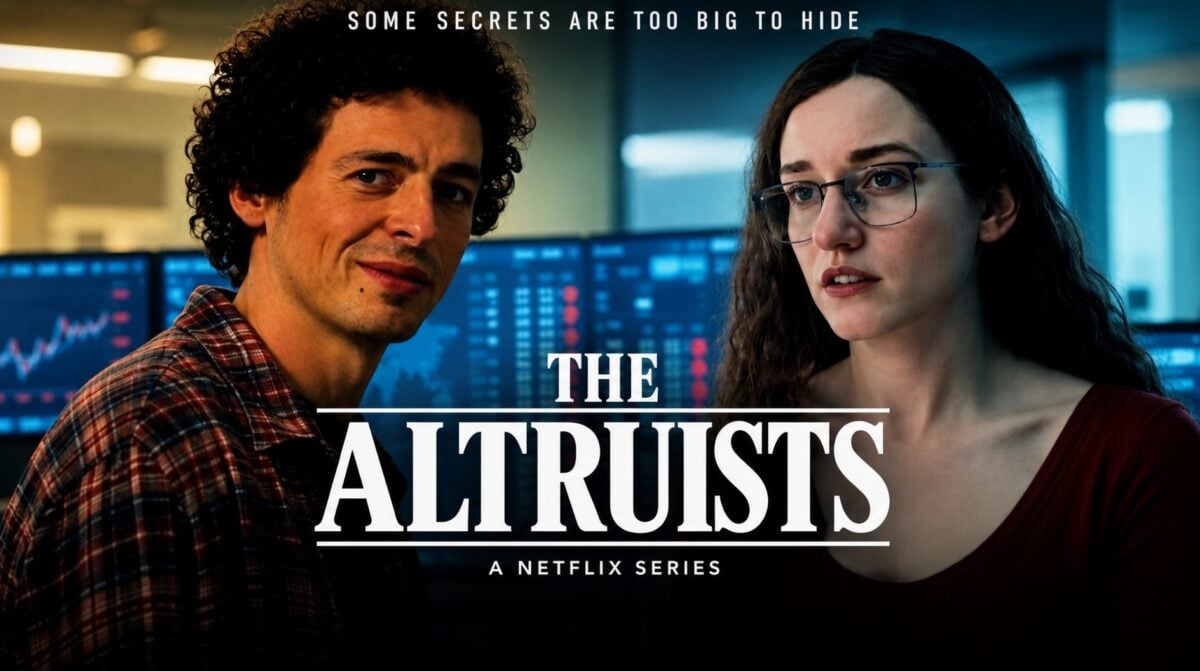
- Binance founder Changpeng Zhao says Netflix’s FTX drama “The Altruists” is “basically defamation” and that he is consulting lawyers.
- The show’s creator has said in writing there is no evidence Zhao pressured FTX to front-run customer trades, which is the scene at the heart of the dispute.
- As a public figure, Zhao would need to prove “actual malice,” a high legal bar.
- Netflix settled a similar docudrama case in 2024 and faces a $170 million suit over “Baby Reindeer.”
- Zhao also admitted Binance “got a bit complacent” before its $6.3 billion hack in October.
Changpeng Zhao says Netflix defamed him. What makes his case unusual is that the creator of the series has already conceded in print that a key scene involving Zhao has no factual basis. That admission could matter more than anything Zhao says on stage. Even so, US defamation law sets a very high bar for someone as well known as him.
Wow, this is insane, and complete BS.
I guess this is how they control "public perception"? https://t.co/rJvAhFlmmP
— CZ 🔶 BNB (@cz_binance) November 20, 2026
Speaking Saturday at Binance Blockchain Week in Bangkok, Zhao told The Block he was taking legal advice about “The Altruists,” the eight-episode FTX series Netflix released on Nov. 19.
“I’m just really not happy with the way they portrayed me. So we’ll see what the lawyers can do about it.”
Zhao said he has not watched the show and has only seen clips on X. He has not said whether he will actually sue.
The scene at the center of the dispute
In episode four, Zhao pressures Sam Bankman-Fried to give Alameda Research early access to FTX customer orders so it can trade ahead of them. Bankman-Fried refuses.
Creator Graham Moore addressed the scene in an essay for Vulture:
“There’s no evidence that CZ ever specifically pressured FTX to front-run.”
The real record points the other way. Evidence at Bankman-Fried’s 2023 trial showed that his own trading firm, Alameda, got special privileges on FTX, including the ability to run a negative balance backed by customer funds.

Why a lawsuit would still be an uphill fight
Because Zhao is a public figure, he would have to show “actual malice.” That means proving Netflix knew the portrayal was false or recklessly ignored the truth.
Moore’s admission helps Zhao show the scene was invented. But dramatizations are often defended on the grounds that viewers understand them as fiction. Zhao himself called the show “a completely fictional series,” a description Netflix’s lawyers might welcome. This is analysis, not a prediction of how a court would rule.
Netflix has fought this battle before
In 2024, Netflix settled former prosecutor Linda Fairstein’s defamation suit over “When They See Us” shortly before trial. The company agreed to donate $1 million to the Innocence Project and move its dramatization disclaimer to the start of episodes.
Fiona Harvey’s $170 million suit over “Baby Reindeer” is reportedly headed to a jury trial on May 18, 2027.
The show has also drawn other criticism. Ethereum co-founder Vitalik Buterin said it exaggerated Zhao’s accent, and former FTX executive Constance Wang told Cointelegraph the portrayal was “very racist.” Zhao did not raise that issue on Saturday.
The pardon theory
Zhao suggested the series may be shaping opinion ahead of a future clemency push for Bankman-Fried, “maybe in two years, maybe in six years, maybe in 10 years.” He offered no evidence for this.
What is on record is that Bankman-Fried is serving 25 years for fraud and filed a pardon request with the Justice Department in June. President Donald Trump told The New York Times in January that he had no plans to pardon him. Trump pardoned Zhao in October 2025, after Zhao had served four months in prison.
What Zhao conceded about Binance’s hack
Zhao also admitted Binance’s leaders “were not focused enough on security” before the $6.3 billion hack in late October. By his account, attackers used real recruiters to approach more than 1,000 employees and got targets to install a fake Zoom update. Once inside, he said, they used AI to study Binance’s code and exploited a weakness in Ethereum’s EIP-7702 signing standard.
He said Binance covered user losses. He is now pitching an industry security alliance and says he will lead it if no one else does.


