



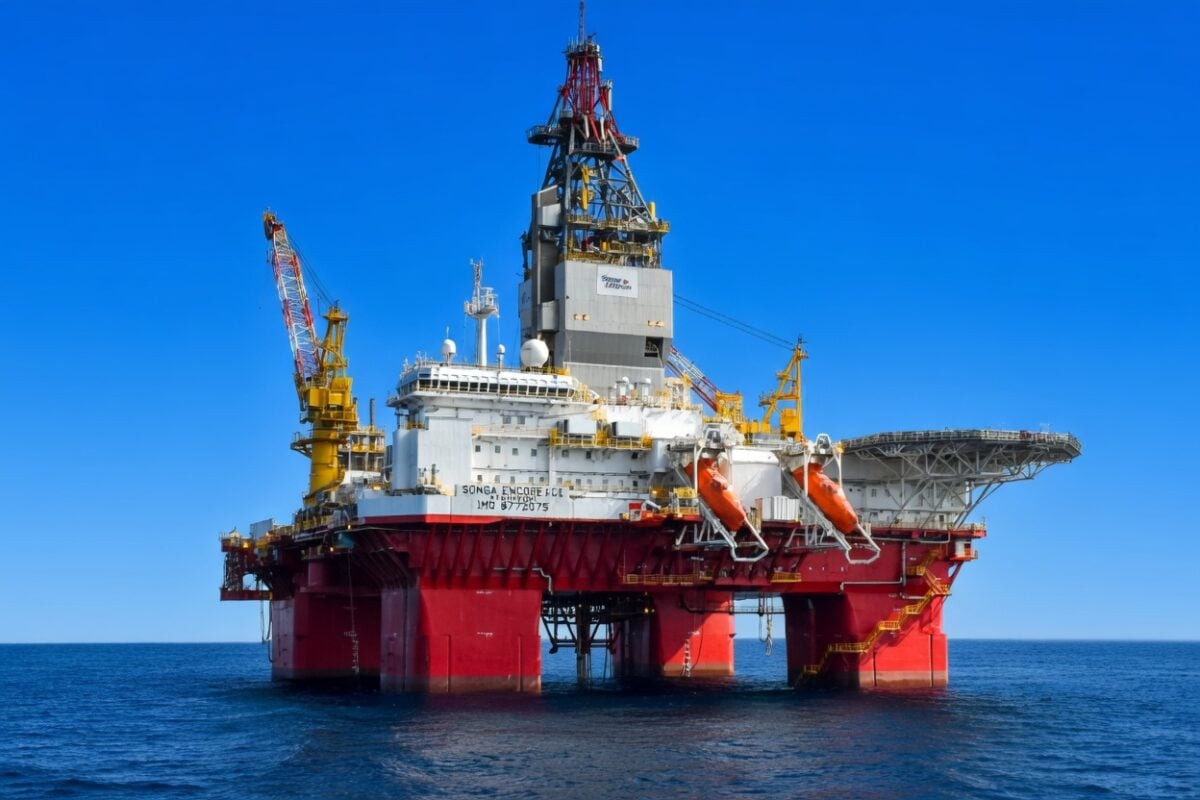


TLDR
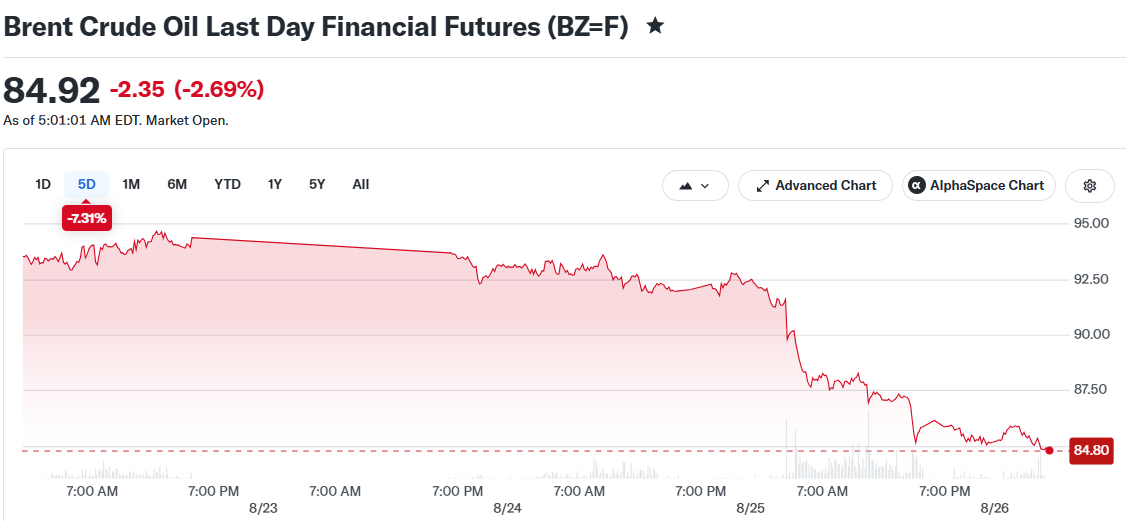
- Brent crude fell 2.6% to $86.30 and WTI dropped 2.7% to $80.18 on Wednesday
- Iran and Oman restarted talks on a joint temporary navigation corridor through the Strait of Hormuz
- Pakistan reports progress in broader peace mediation between the U.S. and Iran
- Only 5 commodity ships transited the strait on Tuesday, far below the pre-war average of 15
- U.S. crude inventories rose by 4.2 million barrels, well above analyst estimates of 600,000 barrels
Oil prices slid more than 2% on Wednesday as renewed diplomacy around the Strait of Hormuz pushed traders to price out some supply risk from the market.
Brent crude futures dropped 2.6% to $86.30 a barrel. U.S. West Texas Intermediate fell 2.7% to $80.18. Both benchmarks had already fallen more than 3% on Tuesday.
Iran and Oman Discuss Temporary Navigation Route
Iran and Oman confirmed they held talks in Tehran about creating a joint temporary navigation corridor through the Strait of Hormuz. The two countries also agreed to work on clearing mines from the waterway.
🇺🇸🇮🇷BREAKING: Oil crashes over 5% below $81 as reports emerge that the US and Iran have reached a ceasefire.
Iran and Oman are now targeting a permanent Strait of Hormuz shipping route within 60 days.
The US has said there are no ongoing negotiations with Iran. pic.twitter.com/T9pPB1uY6v
— Coin Bureau (@coinbureau) August 25, 2026
A senior Iranian official said the strait will not fully reopen until the U.S. meets commitments from a framework ceasefire deal signed in June. That deal was brokered with Pakistan’s help.
Russian state media outlet RIA Novosti reported, citing Pakistani and Iranian sources, that the U.S. and Iran are close to a new ceasefire deal. The report said it includes free navigation through Hormuz and could be announced in the coming days. Investing.com was unable to verify the report independently.
Pakistan’s interior minister said the two sides made progress during talks in Tehran focused on ending the U.S.-Israeli war on Iran, which began in February.

Before the war started, roughly one-fifth of the world’s oil and liquefied natural gas passed through the Strait of Hormuz. Ship traffic has since dropped sharply.
On Tuesday, only five commodity vessels passed through the waterway. That compares to a 10-day moving average of 15 ships and is well below pre-war levels.
U.S. Sanctions and Inventory Data Add Pressure
On Monday, Washington expanded sanctions against Iran, threatening penalties for countries that continue to trade with Tehran. The U.S. signaled it prefers economic pressure over military action.
Analysts at Vital Knowledge said a “geopolitical risk factor will be permanently embedded in the price” of oil, even if diplomacy moves forward.
The American Petroleum Institute reported U.S. crude inventories rose by around 4.2 million barrels for the week ending August 21. Analysts had expected a rise of just 600,000 barrels. Official figures from the Energy Information Administration were due later Wednesday.
Mitsuru Muraishi, an analyst at Fujitomi Securities, said uncertainty around the outlook was prompting some bargain buying, which limited deeper losses. He added that prices are likely to stay range-bound for now.
Brent had earlier touched its lowest level since August 13 during Wednesday’s session. WTI hit its lowest point since August 10.
Stop guessing and start investing with confidence. KnockoutStocks gives you the AI insights, market intelligence, and stock research you need to spot opportunities, cut through the noise, and make smarter investment decisions — all in one powerful platform.
Sign up today and get 50% OFF full access to our premium stock picks.
Simply use coupon code SPECIAL50 at checkout to claim your exclusive discount.
Get 3 Free Stock Ebooks
Discover top-performing stocks in AI, Crypto, and Technology with expert analysis.
- Top 10 AI Stocks - Leading AI companies
- Top 10 Crypto Stocks - Blockchain leaders
- Top 10 Tech Stocks - Tech giants



