





TLDR
-
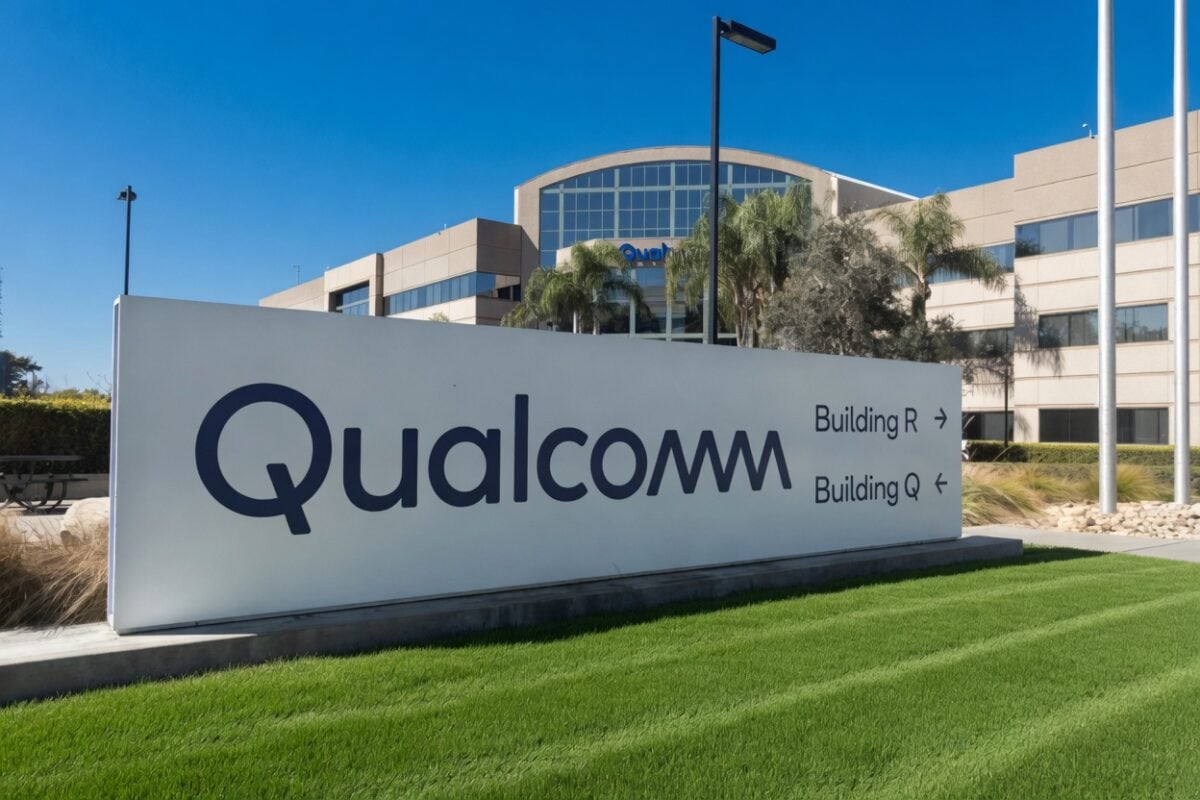
Qualcomm completes Modular acquisition as QCOM closes 4.21% lower at $162.88.
-
Modular adds software tools that support CPUs, GPUs, NPUs, and custom chips.
-
Mojo, MAX, and Modular Cloud will continue under their existing product brands.
-
Chris Lattner joins Qualcomm to lead its advanced AI software and platforms.
-
The deal expands Qualcomm’s reach across devices, data centers, and edge systems.
Qualcomm (QCOM) stock fell 4.21% to close at $162.88 as the company completed its Modular acquisition. The deal expands Qualcomm’s software capabilities across devices, data centers, edge infrastructure, and industrial computing. It also strengthens the company’s strategy of combining efficient processors with flexible software systems.
Qualcomm Completes Modular Acquisition
Qualcomm confirmed the completion of its acquisition of Modular, a developer of advanced software infrastructure. The announcement marked another step in Qualcomm’s expansion beyond mobile processors and wireless connectivity. The company did not disclose the acquisition’s financial terms or expected revenue contribution.
Modular develops software that helps developers run complex workloads across different computing architectures. Its platform supports central processors, graphics processors, neural processors, and custom computing chips. Qualcomm gains technology that can connect applications with a wider range of hardware systems.
The transaction also brings Modular’s engineering team and developer tools into Qualcomm Technologies. Qualcomm plans to combine those resources with its existing computing and connectivity products. This structure could improve how the company delivers complete hardware and software packages.
Modular Products Retain Their Existing Brands
Qualcomm will continue offering Mojo, MAX, and Modular Cloud under their current product names. The company also plans to increase investment and technical support for each platform. Modular will maintain its focus on open software that works across different hardware designs.
The continued product structure gives developers access to familiar tools after the acquisition. Qualcomm can also introduce those tools to its customers and established hardware partners. Modular gains greater reach across enterprise, consumer, and industrial computing markets.

Chris Lattner will lead Qualcomm’s advanced software and platforms operations as an executive vice president. He previously served as Modular’s co-founder and chief executive officer. His appointment keeps Modular’s technical leadership involved during the integration process.
Qualcomm Expands Its Computing Strategy
Qualcomm built its core business around smartphone processors, wireless modems, and mobile connectivity products. However, the company has expanded into vehicles, computers, industrial systems, and connected devices. The Modular acquisition adds a stronger software layer to support those growing operations.
The combined platform will target workloads across local devices, edge systems, and data center infrastructure. Qualcomm expects the software to improve application performance, portability, and energy efficiency. Developers could also move workloads between different processors without making extensive technical changes.
The acquisition gives Modular access to Qualcomm’s commercial network, customers, and global industry partnerships. At the same time, Qualcomm gains software designed for several processor types and computing environments. The company will now focus on integrating those tools across its expanding product portfolio.
Stop guessing and start investing with confidence. KnockoutStocks gives you the AI insights, market intelligence, and stock research you need to spot opportunities, cut through the noise, and make smarter investment decisions — all in one powerful platform.
Sign up today and get 50% OFF full access to our premium stock picks.
Simply use coupon code SPECIAL50 at checkout to claim your exclusive discount.
Get 3 Free Stock Ebooks
Discover top-performing stocks in AI, Crypto, and Technology with expert analysis.
- Top 10 AI Stocks - Leading AI companies
- Top 10 Crypto Stocks - Blockchain leaders
- Top 10 Tech Stocks - Tech giants



