





TLDR
- South Korea’s Kospi has risen more than 22% from its July 30 low, entering bull market territory
- Samsung Electronics and SK Hynix each jumped more than 5%, driving the benchmark higher
- The rally follows a brutal July rout caused by forced liquidations of leveraged chipmaker bets
- Strong AI spending from Big Tech firms has restored confidence in memory chip demand
- Foreign investors remain net sellers, having pulled more than $100 billion from Korean shares this year
South Korea’s stock market has made a sharp comeback. The Kospi benchmark rose as much as 4.8% on Thursday, bringing its total gain from a July 30 low to around 22%. That crosses the threshold commonly used to define a bull market.
The recovery has been fast and striking. Just last month, the Kospi fell 22% in its worst monthly performance since the global financial crisis. The drop was triggered by forced liquidations of leveraged bets on chipmaker stocks, which wiped out billions of dollars in retail wealth.
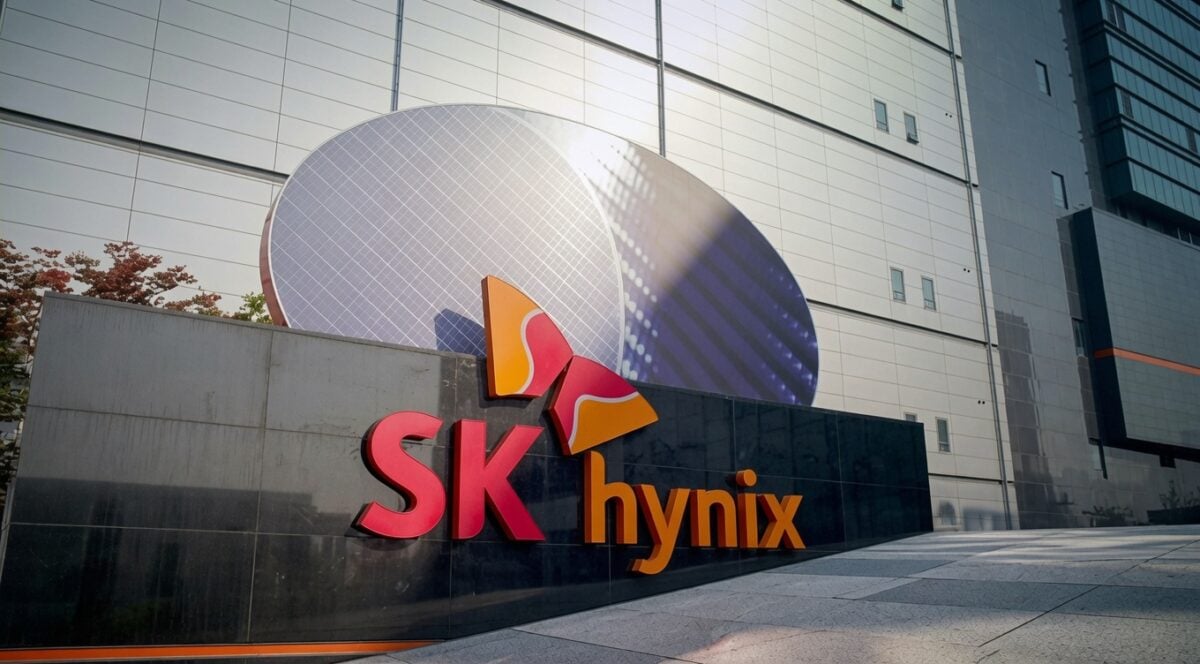
Samsung Electronics and SK Hynix led Thursday’s gains, each climbing more than 5%. Both companies are major producers of memory chips, which are in high demand as AI adoption grows.
AI Spending Drives Chip Demand
The shift in sentiment has been fueled by strong earnings from major US technology companies and their continued commitments to AI infrastructure spending. That has reinforced expectations that memory chip demand will stay robust.
“The AI rally and continued strong earnings have been a constant during the sell-off, so it is fundamentals returning the market back to normalcy,” said Peter Kim, head of global investment strategy at KB Securities.
A soft US inflation report released Wednesday also helped. It eased fears about imminent Federal Reserve rate hikes, giving tech stocks room to climb globally.
Qian Zhang, emerging markets equities specialist at Baillie Gifford, pointed to a supply bottleneck in memory chips. “Because of AI agents and physical AI, memory demand has exploded, but we entered into this with a quite limited supply capacity,” Zhang said.

Risks Remain for Korean Stocks
Despite the rally, analysts are cautious about how long it can last. The Kospi is still around 24% below its late June peak, even after its strong recovery.
Foreign investors have not fully returned. They have pulled more than $100 billion from Korean shares this year, though some overseas funds have started to come back as lower valuations become more attractive.
The market remains heavily concentrated in semiconductor companies. Phillip Wool of Rayliant Global Advisors said Korea’s equity market is “basically synonymous with the AI hardware trade at this point.” That makes it vulnerable to any shift in sentiment around AI spending.
Regulators have taken steps to stabilize the market by curbing single-stock leveraged ETFs and tightening margin requirements. These moves have helped reduce the kind of forced selling that caused July’s crash.
Analysts warn investors not to expect the same pace of gains going forward. “After such a steep rebound, some consolidation would be healthy,” said Jung In Yun of Fibonacci Asset Management Global.
Expectations for shareholder return announcements from Samsung and SK Hynix have also helped lift sentiment in recent sessions.
Stop guessing and start investing with confidence. KnockoutStocks gives you the AI insights, market intelligence, and stock research you need to spot opportunities, cut through the noise, and make smarter investment decisions — all in one powerful platform.
Sign up today and get 50% OFF full access to our premium stock picks.
Simply use coupon code SPECIAL50 at checkout to claim your exclusive discount.
Get 3 Free Stock Ebooks
Discover top-performing stocks in AI, Crypto, and Technology with expert analysis.
- Top 10 AI Stocks - Leading AI companies
- Top 10 Crypto Stocks - Blockchain leaders
- Top 10 Tech Stocks - Tech giants



