





TLDR
- Michael Burry doubled his Nasdaq 100 put position in a November 12 post.
- On November 16, he closed his Oracle and remaining Caterpillar puts.
- He added to Adobe, MercadoLibre, QXO and Lululemon.
- He still holds bearish bets on Nvidia, Palantir and chip stocks.
- Steve Eisman disagrees with Burry’s AI bubble argument.
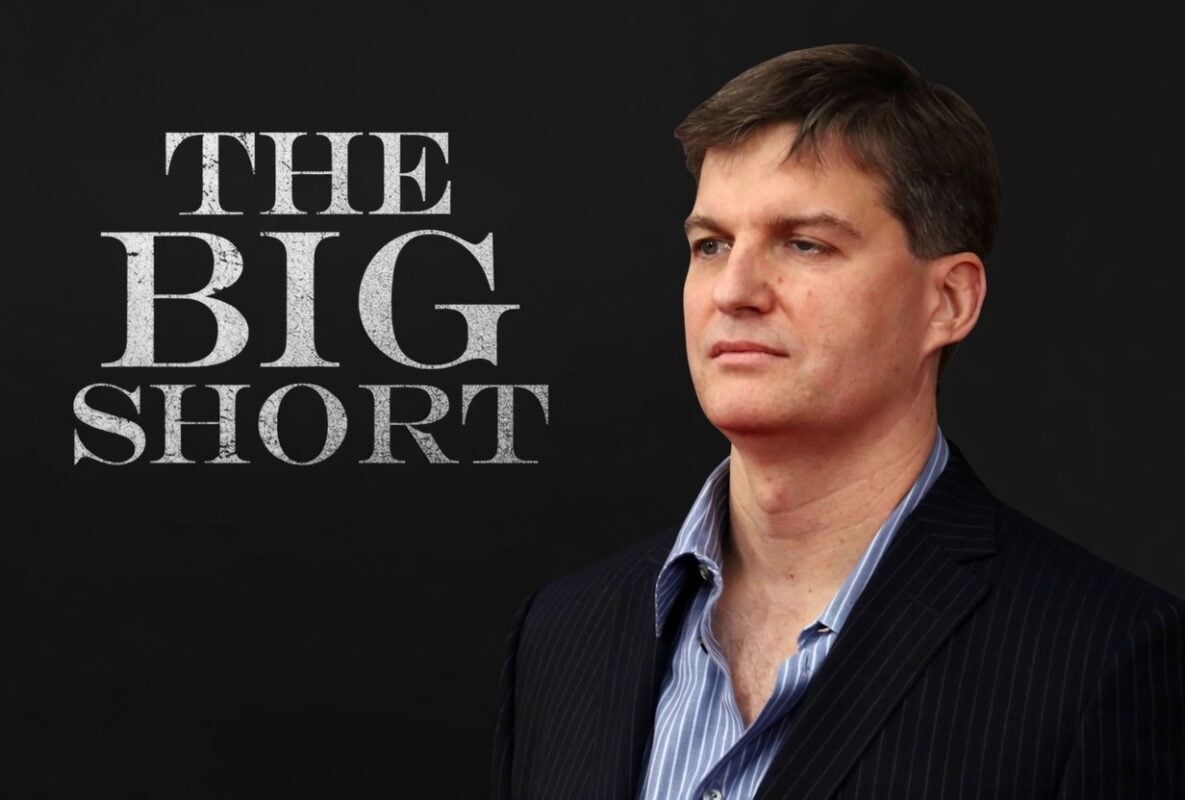
Michael Burry is the investor who predicted the 2008 housing crash. He has spent months warning that the AI boom could end badly. His recent trades show a more mixed approach than many headlines suggest.
🚨 WILD: Michael ‘Big Short’ Burry might be right AGAIN.
All 6 of his major bearish bets are moving in his favour, with several stocks falling sharply since his disclosed entries.
Here's how they're performing:
1. $ORCL: Shorted at $143, now $118. Down -17%.
2. $NBIS: Shorted… pic.twitter.com/Ci2v9H1gnF
— Coin Bureau (@coinbureau) November 17, 2026
Several AI-linked stocks have dropped since Burry placed his bets. Social media estimates put the declines at about 44% for Nebius, 32% for Caterpillar and 26% for Nvidia. Micron is down about 22%, Oracle about 17% and Palantir about 9%.
These numbers are not Burry’s verified profits. His positions have changed over time. Options returns also depend on more than the share price.
Burry Adds to His Nasdaq Bet
In a November 12 Substack post, Burry said he doubled his Nasdaq 100 put position. The options expire in early 2027. Their strike prices sit about 20% below current market levels.
He also rebuilt part of a bearish bet on the VanEck Semiconductor ETF. The fund holds major chipmakers, including Nvidia and Taiwan Semiconductor Manufacturing.
Burry compared the Nasdaq’s October peak with its March 2000 high. That high came before the dot-com crash. He called the current setup a “bull-trap.”

His main argument is that investors expect too much profit from huge AI spending. Tech firms are putting large sums into chips and data centres. It is still unclear how much those projects will earn.
He has also questioned how companies value expensive AI hardware. He asks whether their depreciation estimates reflect how fast the equipment becomes outdated.
Burry Takes Profits and Buys Stocks
Burry also reduced his Caterpillar put position by 75% earlier this month. The options had reportedly quadrupled in value by then.
On November 16, he said he closed his Oracle puts and his remaining Caterpillar puts. He also added to his holdings in Adobe, MercadoLibre, QXO and Lululemon.
He still holds bearish positions against Nvidia, Palantir, the Nasdaq 100 and semiconductor stocks. This means he is buying some companies while staying cautious on others.
Not every investor agrees with his view. Steve Eisman, who also appeared in The Big Short, has pushed back on Burry’s AI argument. He says strong demand for AI could outweigh worries about accounting.
Eisman expects AI companies to keep growing. He believes that growth could support heavy spending on computing equipment.
Short selling also depends on timing. An investor can be right about a high price and still lose money if shares keep rising first.
As of November 16, Burry has closed his Oracle and Caterpillar puts and added to four long positions. His Nasdaq 100, Nvidia, Palantir and chip-sector bets remain open.


