



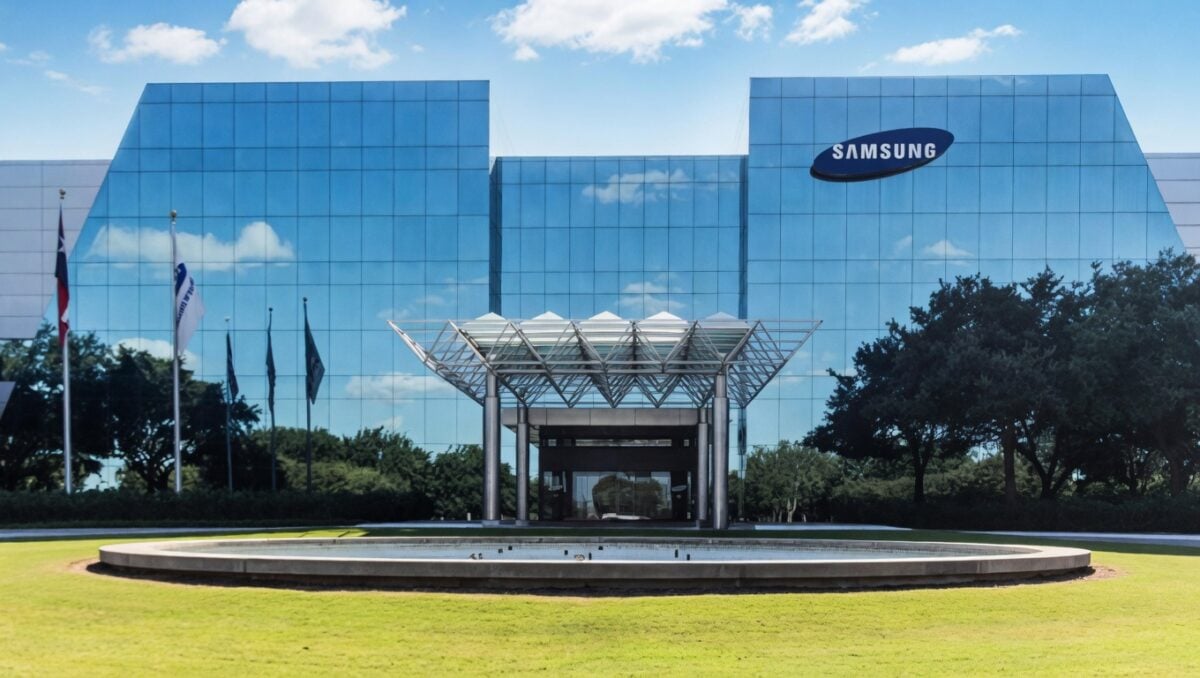


LDR
- Samsung Electronics and TSMC shares fell nearly 5% in Asian trading on Tuesday.
- The U.S. will require export licenses for advanced AI chips shipped to five countries.
- New checks target overseas data centers and foundries that serve Chinese chip designers.
- Samsung reported record memory sales, and TSMC posted record October revenue.
- Analysts see 135.2% upside for Samsung and 51% for TSMC.
Shares of Samsung Electronics and TSMC fell in Asian trading on Tuesday. Both stocks dropped by close to 5%.
Taiwan Semiconductor Manufacturing Company Limited, TSM
The move followed a Monday announcement from the Trump administration. It said it will further limit China’s access to advanced AI chips.
Just hours after the White House ordered the Commerce Department to crack down on China, closing a loophole allegedly allowing companies to remotely access AI chips, President Trump softened the blow, saying he understood “both sides” of the debate. https://t.co/BVWxvFBFT9
— The Washington Post (@washingtonpost) November 17, 2026
Other Asian stocks also lost ground. They included YTL Power, Sunway Construction, AEM Holdings and Delta Electronics.
What the New Rules Cover
The rules reach overseas data centers, chip shipments through five countries and foundries that make chips for Chinese designers. Investors are weighing higher costs and possible delays for firms that serve Chinese customers.
Shipments of advanced AI chips from companies such as Nvidia will need U.S. export licenses. This applies to data centers in Singapore, Malaysia, Thailand, Indonesia and Brazil.

Washington named those five countries as places where advanced chips face a higher risk of being sent to China. The license rule is meant to close that path.
The rules also add checks on overseas data centers that sell large amounts of computing power to Chinese firms. The aim is to stop Chinese AI companies from renting power abroad to train their models.
Foundries that make advanced chips for Chinese fabless companies face tighter requirements too. Fabless firms design chips but do not build them.
Samsung Foundry could face extra customer checks and new license needs. CLSA senior analyst Sanjeev Rana said the unit might face added due diligence. The rules could also add to the cost and time needed to serve some customers.
Company Results Before the Drop
Samsung reported third quarter 2026 revenue of KRW 195.3 trillion. Operating profit reached KRW 107.4 trillion.
Its memory unit posted record sales and profit. Demand for AI chips and server memory helped lift the results.
Samsung also faces a legal challenge with SK Hynix and Micron over claims of price fixing in the DRAM market. The companies have not been found guilty.
TSMC posted record October revenue of NT$586.89 billion. That was up 59.7% from a year earlier.
Its third quarter revenue rose 50.9%, while net income grew 68.7%. The company expects fourth quarter revenue of $52.3 billion to $54.3 billion.
TSMC points to demand for its advanced chip technology. Despite the sell-off, analysts tracked by TipRanks see 135.2% upside for Samsung. For TSMC, they see 51% upside.


