





TLDR
- Walmart stock fell more than 9% after US comparable store sales rose just 2.6%, the slowest growth since early 2020
- The company received $2.9 billion in tariff refunds, the largest reported so far, which it will direct toward price cuts
- Higher gas prices are squeezing consumer spending, with CFO John David Rainey citing a “softer consumer environment”
- Net income came in at $6.4 billion for the quarter ending July 31, boosted by the tariff refund
- Walmart delivered 11,000 rollbacks in Q2, up from 7,200 in Q1, as it pushes to attract budget-conscious shoppers
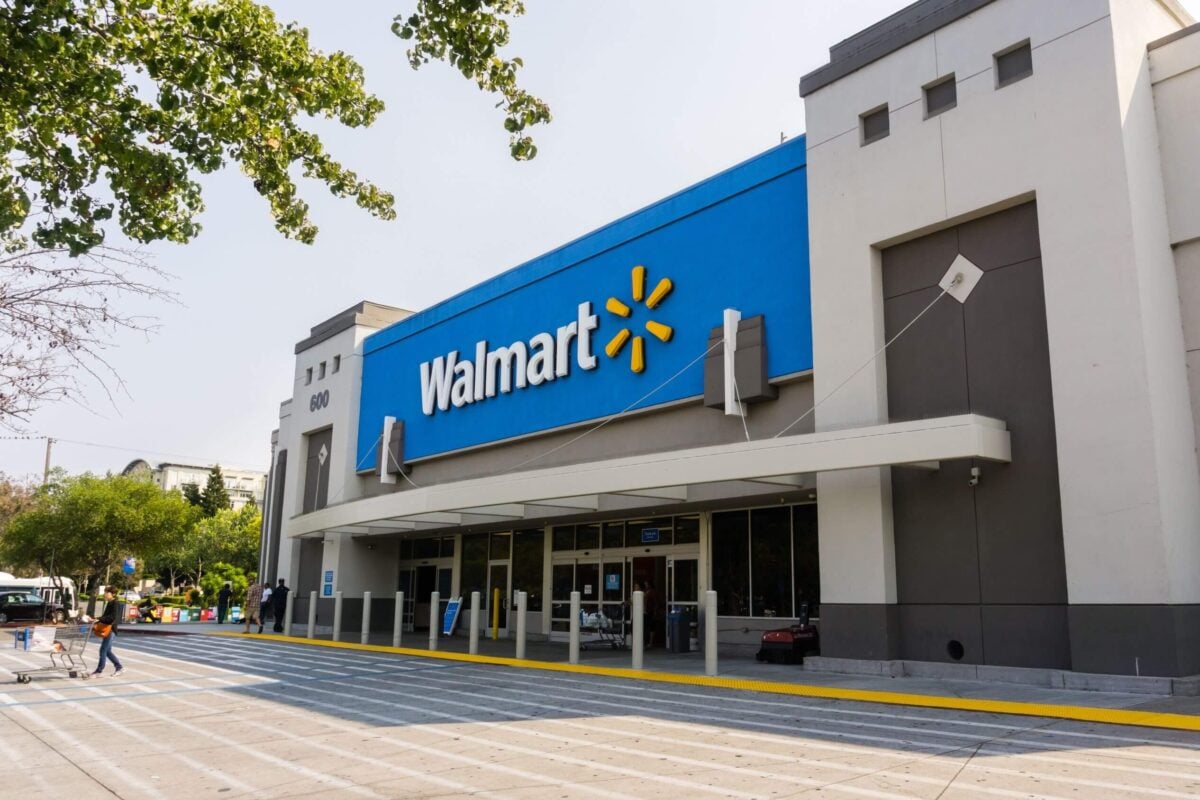
Walmart (WMT) stock dropped more than 9% in early trading Thursday after the retail giant reported its slowest US store sales growth in six years. US comparable sales rose just 2.6% in the second quarter, down from 4.6% a year ago and 4.1% in Q1. That is the weakest reading since February through April of 2020.
Net income for the quarter ending July 31 came in at $6.4 billion. That was helped in large part by a $2.9 billion tariff refund, the largest yet reported by any company.
Higher gas prices are taking a toll on how much consumers have left to spend at the checkout. CFO John David Rainey said Thursday there is “arguably a softer consumer environment than in February,” before fuel costs climbed.
“When gas prices get over $4 a gallon, there’s a psychological impact to that,” Rainey said on the earnings call. “There are choices that consumers are making.”
The slowdown in store sales is also tied to lower drug pricing for GLP-1 weight loss medications, along with more customers choosing to shop online rather than in-store.
Tariff Refunds Fund Price Cuts
Walmart said it has received “substantially all” of the $2.9 billion it was eligible for under the tariff refund program. The company said it is directing that money toward price cuts on groceries and general merchandise.
Rainey said: “We’re investing heavily in price because customers need us to and because we believe it drives market share gains over time.”
Walmart delivered 11,000 rollbacks, or temporary price cuts, in Q2. That is up from 7,200 in the first quarter. In July, the company had already cut prices on items including beef, Coca-Cola, and laundry detergent.

The tariff refunds stem from the Supreme Court’s February ruling that struck down tariffs the Trump administration imposed under the International Emergency Economic Powers Act. The government began issuing refunds in May from the $168 billion collected from 330,000 importers. As of July 31, around $100 billion had been sent out.
How Walmart Compares to Other Retailers
Walmart is not alone in receiving a large refund. Target reported $994 million. Home Depot logged $730 million. TJX received $331 million, and Lowe’s got $80 million.
Apple, Nike, Amazon, and FedEx have also reported refunds in their most recent earnings results.
Operating income at Walmart rose nearly 30% compared to the same quarter last year, a boost the company tied partly to the tariff refund windfall.
Retail analyst Neil Saunders of GlobalData Retail said Walmart is likely to focus tariff savings on essential items to hold its position as an everyday low-price retailer. “Wider investments will include things like improved stores,” he added.
As of July 31, $100 billion in IEEPA tariff refunds had been issued by the US government, according to a court filing by US Customs and Border Protection.
Stop guessing and start investing with confidence. KnockoutStocks gives you the AI insights, market intelligence, and stock research you need to spot opportunities, cut through the noise, and make smarter investment decisions — all in one powerful platform.
Sign up today and get 50% OFF full access to our premium stock picks.
Simply use coupon code SPECIAL50 at checkout to claim your exclusive discount.
Get 3 Free Stock Ebooks
Discover top-performing stocks in AI, Crypto, and Technology with expert analysis.
- Top 10 AI Stocks - Leading AI companies
- Top 10 Crypto Stocks - Blockchain leaders
- Top 10 Tech Stocks - Tech giants



