





TLDR
- OKX is holding deposits from MEXC for compliance review and told users to avoid direct transfers.
- FinCEN named MEXC a primary money laundering concern on Nov. 6, citing at least $16 billion in flagged transactions.
- The U.S. ban starts 30 days after Federal Register publication, so it is not yet in force.
- MEXC says operations are normal and has ordered an independent review of its controls.
- Some USDT withdrawals on MEXC were briefly unavailable on certain networks on Nov. 7.
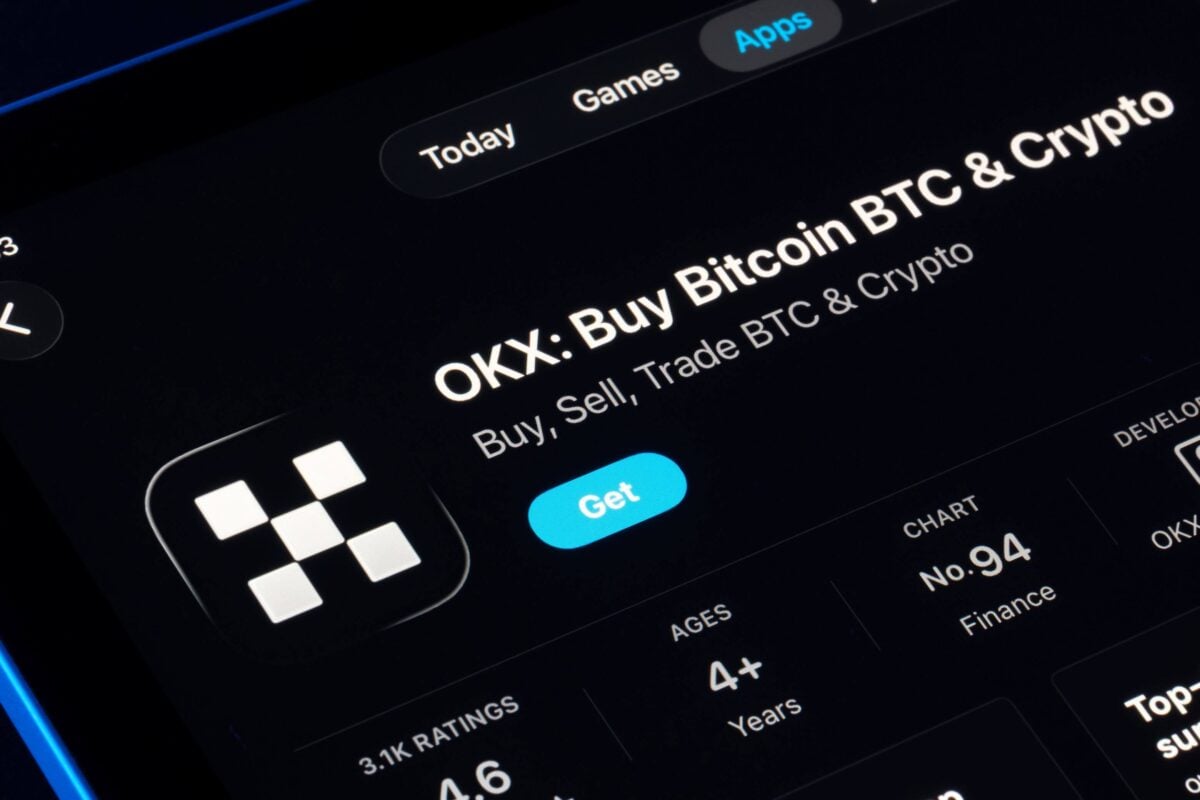
OKX has started holding deposits that come from MEXC Global. The exchange is putting them through a compliance review. It is acting before a U.S. Treasury order takes effect.
U.S. Senator Blumenthal Sends Letters to Binance, Tether, and Trump Family Crypto Firms: Comply with Probe by Deadline or Subcommittee Will Seek Other Means
According to a statement on U.S. Senator Richard Blumenthal’s official website, as Ranking Member of the Senate… pic.twitter.com/LxlfKwy8IT
— Wu Blockchain (@WuBlockchain) November 9, 2026
OKX founder Star Xu posted on X on Nov. 7. He asked users to avoid sending funds directly from MEXC to OKX for now. He said such funds may be frozen while they are checked.
Xu said accounts tied to those funds could face more review. He said OKX treats this kind of order with caution close to that used for sanctions. The exchange chose not to wait for the U.S. grace period to end.
What the Treasury Order Says
The trigger was an order from the Financial Crimes Enforcement Network, known as FinCEN. It named MEXC a primary money laundering concern on Nov. 6. The agency issued it under Section 9714 of the Combating Russian Money Laundering Act.
FinCEN says MEXC handled at least $16 billion in transactions tied to sanctions evasion and cybercrime. The period runs from May 2021 to May 2026. Some documents cite a total of $16.7 billion.
About $1.5 billion of that total is tied to Russian sanctions evasion. FinCEN says about $232 million involved direct dealings with sanctioned entities. It also flagged more than $26 million linked to a network known as A7.

Another $200 million involved A7A5, a ruble-pegged token. FinCEN also pointed to flows linked to Iranian and North Korean facilitators. The agency has not said every dollar at MEXC was illicit.
Once the order takes effect, covered U.S. financial institutions cannot send or receive funds involving MEXC. That includes convertible virtual currencies. The rule applies to U.S. intermediaries.
The ban starts 30 days after the order is published in the Federal Register. It does not start 30 days after the announcement. So it is not yet in force.
The order is not a blanket freeze. It does not force MEXC to halt global trading. It also does not require the exchange to lock customer balances.
How MEXC and Users Are Responding
MEXC says it is reviewing the order with legal and compliance advisers. The exchange says operations are normal and customer assets are secure. These are the company’s own statements and have not been independently verified.
MEXC CEO Vugar Usi said the exchange takes the order seriously. He said MEXC plans to work with FinCEN and has begun an independent review of its anti-money-laundering and sanctions controls. He also said withdrawal volumes have risen but operations remain smooth.
MEXC is also working with analytics firms such as Elliptic. The goal is to remove a special risk label from its addresses. It wants them returned to the “exchange” category.
Some users say their deposits at OKX were frozen as coming from a “potentially high-risk address.” One user wrote that they are ordinary crypto users moving their own assets. Many users are unsure whether past contact with MEXC addresses puts their funds at risk.
On Nov. 7, MEXC support said USDT withdrawals were unavailable on certain blockchains. The team blamed network maintenance. It said pending requests would clear once service resumed.
MEXC has not linked the outage to the Treasury action. No evidence shows a common cause. FinCEN reported that MEXC had more than $1 billion in daily volume as of September 2026 and about $5 billion in reserves.
Before the order, MEXC saw a jump in tokenized trading. AI asset spot volume rose 88% in September. Tokenized U.S. stock spot volume rose 81% that month.


