





TLDR
- Trump aides want to keep the Iran war quiet before November 3 midterm elections to limit Republican losses
- Iran launched fresh missile and drone strikes at U.S. bases in Kuwait overnight
- Only 31% of Americans approve of the war, with voters especially angry about high gas prices
- The U.S. military has nearly exhausted certain precision missile stockpiles
- Oil prices moved higher after the latest strikes, with the Strait of Hormuz still largely closed
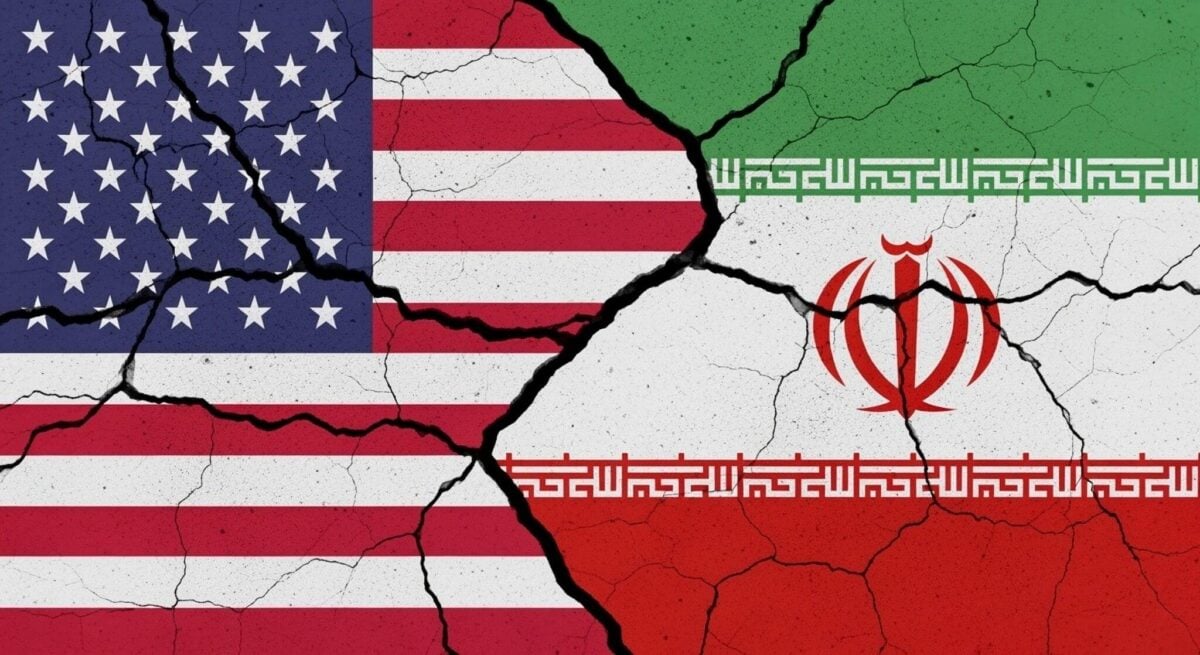
Trump’s top aides are pushing to contain the U.S.-Iran war before November’s midterm elections, but fresh overnight strikes are making that strategy harder to hold together.
BREAKING: President Trump is having private discussions with senior aides about potentially declaring the Iran War over, per WSJ.
Aides are reportedly advising President Trump that an escalation of the war beyond recent strikes could cost Republicans the midterm elections.
— The Kobeissi Letter (@KobeissiLetter) September 3, 2026
Four people familiar with the discussions told Reuters that White House officials want to keep the conflict relatively quiet until after the November 3 vote. Three of those sources are White House officials. The goal is to stop the unpopular war from dominating headlines while Republicans fight to hold thin majorities in the Senate and House.
Only 31% of Americans approve of the war, according to a late August Reuters/Ipsos poll. Some 63% disapprove. Voters are especially unhappy about high gas prices caused by the ongoing disruption to oil shipping routes.
Iran Strikes Back
The strategy was already under pressure when Iran launched fresh missile and drone strikes at U.S. bases in Kuwait in the early hours of Thursday. Kuwaiti Armed Forces confirmed their air defense systems were intercepting “hostile targets.”
The U.S. military said its latest strikes were retaliation for recent attacks on American forces and marine traffic in the region. Over the weekend, the U.S. struck rocket launchers on Iran’s Larak Island. Iran then fired missiles toward Jordan and the United Arab Emirates.
Trump warned on Truth Social that if Iran retaliates, it “will be hit again at a much harder and higher level.”

The war is now past the six-month mark, well beyond Trump’s initial timeline of four to six weeks.
Military Resources Running Low
A pause in fighting would also give the U.S. military time to restock. Reuters reported in August that the military had used “virtually all” of its supply of certain precision missiles.
The Washington Post reported that the heads of the Army, Navy, and Air Force warned Pentagon chief Pete Hegseth in writing that prolonging the war was unsustainable.
The Pentagon has pushed back, saying the military has “everything it needs to execute” its mission.
Economic Pressure Campaign
With military options limited, the White House has shifted focus to an economic isolation campaign. The U.S. has threatened massive sanctions on any country that trades with Iran, while keeping its naval blockade of the Strait of Hormuz in place.
But that approach has limits. China has said it will not join Washington’s effort to isolate Iran, raising questions about how effective the sanctions will be.
Treasury Secretary Scott Bessent warned that the pressure campaign could actually cause Iran to lash out militarily.
The Strait of Hormuz, which supplied about a fifth of the world’s oil before the war, remains largely closed. Traffic in the waterway is still only a fraction of pre-war levels.
Oil prices edged higher early Thursday following the latest strikes.
Stop guessing and start investing with confidence. KnockoutStocks gives you the AI insights, market intelligence, and stock research you need to spot opportunities, cut through the noise, and make smarter investment decisions — all in one powerful platform.
Sign up today and get 50% OFF full access to our premium stock picks.
Simply use coupon code SPECIAL50 at checkout to claim your exclusive discount.
Get 3 Free Stock Ebooks
Discover top-performing stocks in AI, Crypto, and Technology with expert analysis.
- Top 10 AI Stocks - Leading AI companies
- Top 10 Crypto Stocks - Blockchain leaders
- Top 10 Tech Stocks - Tech giants



